Get Sump Pump Installation
Sump pump installation services help property owners prevent basement flooding and water damage by installing reliable pumps in various drainage projects.
Property owners in the area who are considering sump pump installation often seek practical solutions to protect their homes from water damage and flooding. Installing a sump pump can be an effective way to manage excess groundwater, especially during heavy rainfalls or in areas prone to water accumulation. If you're exploring options to safeguard your property, it's helpful to compare local contractors who specialize in sump pump services and understand the specific needs of your property.
By reviewing local service providers, property owners can find experienced contractors capable of planning and installing sump pump systems tailored to their property’s requirements. Keep reading to learn more about the benefits of professional sump pump installation and how to find the right local experts to handle the work efficiently and reliably.
- Sump Pump Installation - needed when installing a new sump system to protect a basement from flooding.
- Sump Pump Replacement - required when an existing sump pump fails or no longer functions properly.
- Basement Waterproofing - necessary when preventing water intrusion and ensuring a dry basement environment.
- Sump Pump Maintenance - essential for keeping a sump pump operational and avoiding unexpected breakdowns.
- Drainage System Setup - important for directing water away from foundations to reduce the risk of water damage.
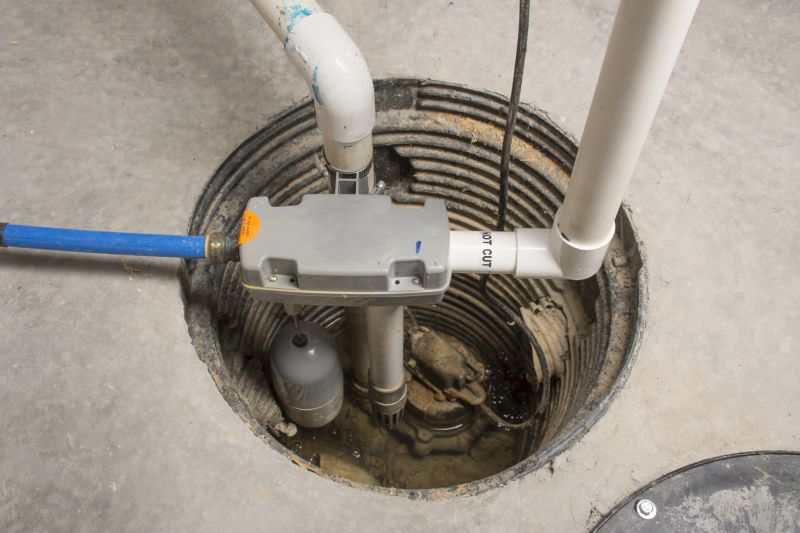
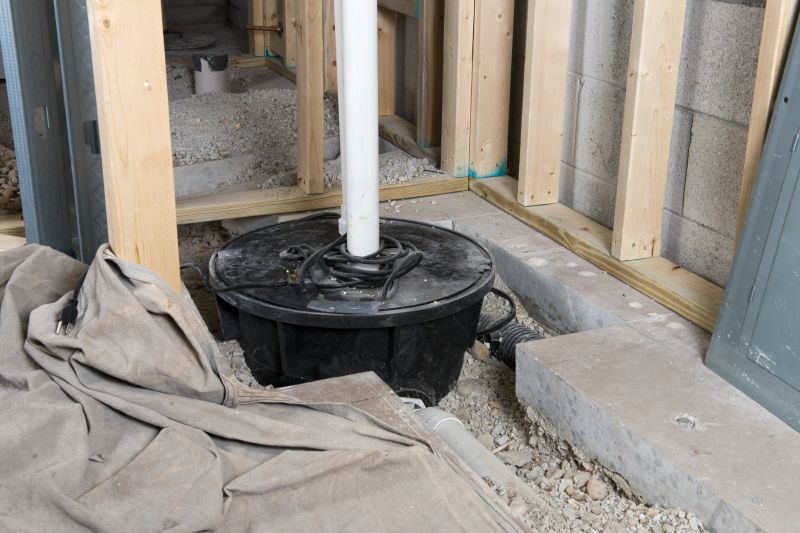
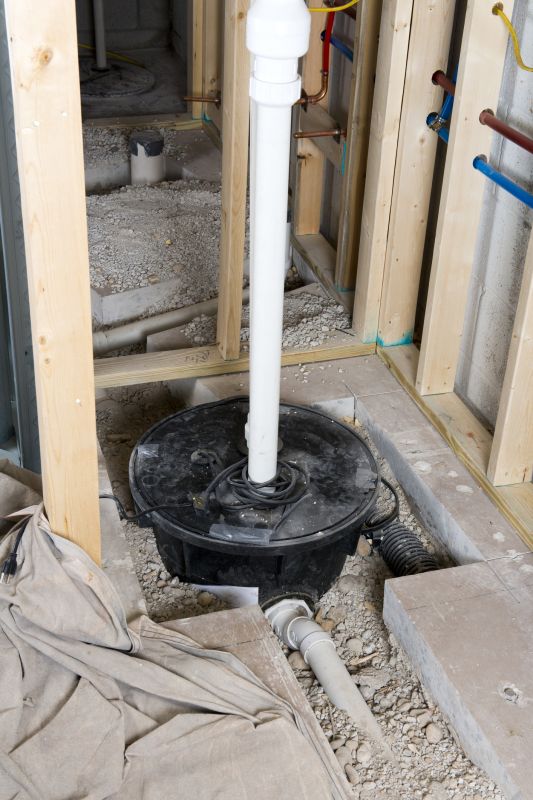
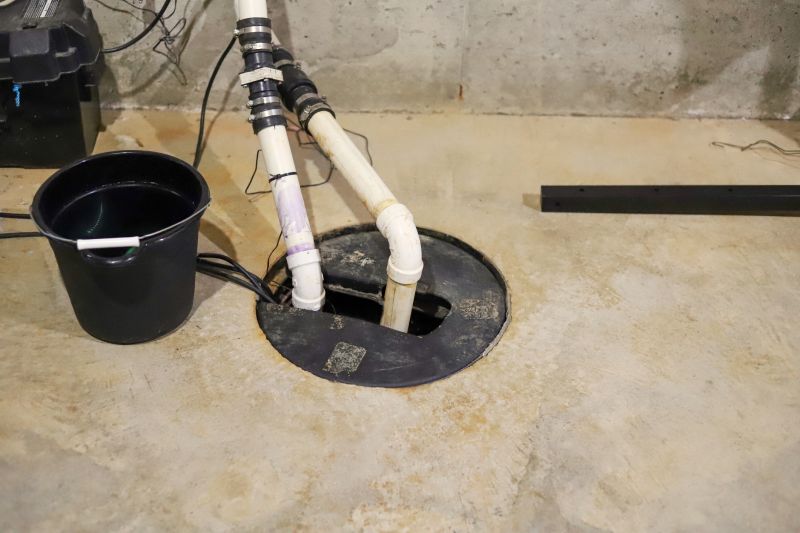
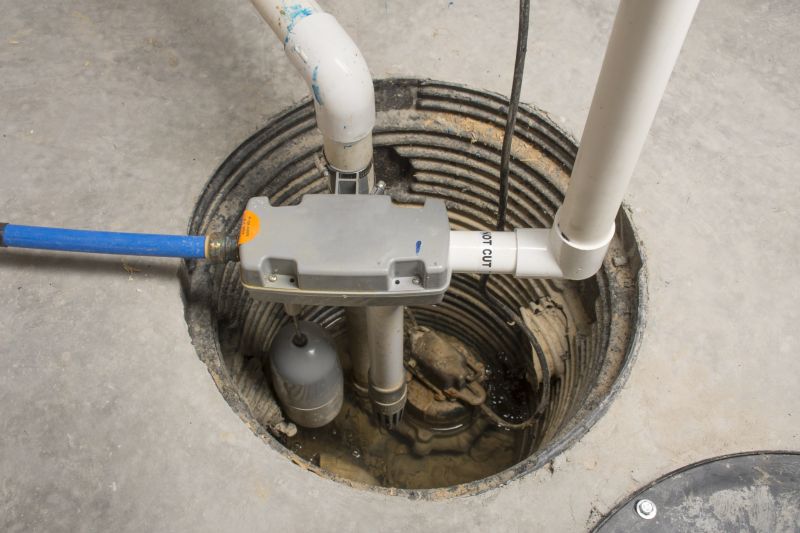
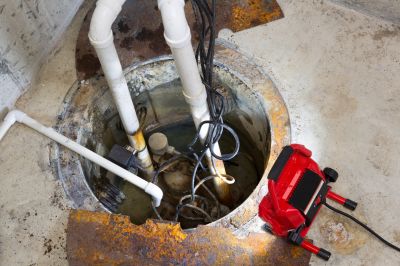
Sump pump installation involves setting up a device designed to remove excess water from the basement or crawl space of a property. This system typically includes a pump installed in a sump basin, which is placed in the lowest part of the property’s foundation. When water accumulates-whether from heavy rain, melting snow, or groundwater seepage-the sump pump automatically activates to pump the water away from the property, helping to keep basements dry and prevent water damage. Experienced local contractors can handle the entire installation process, ensuring the system is properly placed and connected for reliable operation.
Many property owners turn to sump pump services to address issues caused by persistent or unexpected water intrusion. Common problems include basement flooding during storms, high groundwater levels, or recurring dampness that can lead to mold growth and structural deterioration. Installing a sump pump can provide a proactive solution, helping to mitigate these issues before they escalate. For homeowners who notice water pooling in their basement or experience frequent flooding, a sump pump installation might be an effective way to protect their property and maintain a dry, safe living environment.
Sump pump services are frequently used in residential properties, especially those built in flood-prone areas or with basements that are below grade. Homes with poor drainage or high water tables are often good candidates for this type of system. Additionally, properties that have experienced previous water damage or are located in regions with heavy seasonal rainfall may benefit from having a sump pump installed. Commercial buildings and other types of properties with below-ground spaces can also rely on sump pump systems to manage water runoff and prevent costly damage.
Choosing the right sump pump installation involves assessing the property’s specific needs and ensuring the system is correctly installed and configured. Local service providers can evaluate the property’s foundation, drainage patterns, and water levels to recommend the most suitable sump pump type and size. Proper installation not only helps solve existing water problems but also provides ongoing protection against future water intrusion. Homeowners interested in safeguarding their property from water damage should consider consulting with local contractors who specialize in sump pump installation services.
The overview below groups typical Sump Pump Installation projects into broad ranges so you can see how smaller, mid-sized, and larger jobs often compare in your area.
In many markets, a large share of routine jobs stays in the lower and middle ranges, while only a smaller percentage of projects moves into the highest bands when the work is more complex or site conditions are harder than average.
Smaller Repairs - minor sump pump repairs or replacements typically cost between $250 and $600. Many routine jobs fall within this range, depending on the extent of the repair and parts needed. Fewer projects tend to push into higher price tiers.
Standard Installation - installing a new sump pump usually ranges from $1,000 to $2,500. This is the most common price band for typical residential installations, covering standard equipment and straightforward setups.
Full System Replacement - replacing an entire sump pump system can cost between $2,500 and $4,500. Larger or more complex projects, such as upgrading to a more advanced system, may reach higher prices but are less common.
Complex or Custom Projects - highly customized or extensive sump pump installations can exceed $5,000. These projects are less frequent and often involve additional work like waterproofing or drainage upgrades, which can significantly increase costs.
Actual totals will depend on details like access to the work area, the scope of the project, and the materials selected, so use these as general starting points rather than exact figures.
Basement Waterproofing - involves planning and installing drainage systems similar to sump pump setups to prevent water intrusion.
Drainage System Installation - requires understanding of underground piping and water management, which aligns with sump pump system planning.
Foundation Repair - includes waterproofing and soil stabilization techniques that often complement sump pump installation projects.
Storm Drain Installation - involves installing underground drainage solutions that share tools and planning approaches with sump pump systems.
Waterproofing Services - encompasses sealing and waterproofing foundations and basements, often requiring similar skills to sump pump setup.
Erosion Control Projects - involve managing water flow and soil stability, which can involve planning and installing water management systems like sump pumps.
When comparing local contractors for sump pump installation, it’s important to consider their experience with similar projects. Homeowners should inquire about how long a service provider has been working on sump pump systems and whether they have handled installations in homes with comparable needs. A contractor’s familiarity with different types of sump pumps and understanding of local soil conditions can contribute to a more effective and reliable installation. Ensuring that a contractor has a proven track record with projects similar to the home’s requirements can help build confidence in their ability to deliver quality results.
Clear, written expectations are essential when evaluating potential service providers. Homeowners should seek detailed estimates that outline the scope of work, materials to be used, and any warranties or guarantees offered. Having this information in writing helps prevent misunderstandings and provides a basis for comparing different options. It’s also beneficial to ask service providers to explain their process and any considerations specific to the property, ensuring that expectations are aligned before work begins. Transparent communication about project details can lead to a smoother installation experience.
Reputable references and good communication are key factors in selecting a dependable local contractor. Homeowners are encouraged to ask for references from previous clients who had similar sump pump installations. Speaking with past customers can provide insights into the contractor’s professionalism, reliability, and quality of work. Additionally, responsive and clear communication during the inquiry process can indicate how well a service provider will collaborate throughout the project. Building a relationship based on trust and clarity can help ensure the sump pump installation proceeds smoothly and meets the homeowner’s needs.
Property owners use Sump Pump Installation services for practical projects around their homes and businesses. This guide focuses on everyday jobs and straightforward project options.
Sump pump installation services are often sought after by property owners dealing with basement flooding, water accumulation, or persistent moisture issues. During heavy rains or rapid snowmelt, many residents notice water seeping into lower levels of their homes or standing in crawl spaces. Local contractors can provide solutions to help manage excess water effectively, preventing damage and maintaining dry, safe living spaces.
Additionally, homeowners may look for sump pump installation when preparing for seasonal changes or after experiencing previous water problems. Installing a sump pump is a proactive step to protect the property’s foundation and reduce the risk of costly repairs caused by water intrusion. Local service providers are available to assess individual needs and recommend appropriate sump pump systems to help keep homes dry and secure.
What is a sump pump and why is it important? A sump pump is a device that removes excess water from a basement or crawl space to prevent flooding and water damage. Local contractors can install a sump pump to help protect a property during heavy rain or groundwater intrusion.
How does the installation process work? Local service providers typically assess the space, select an appropriate sump pump, and install it with proper piping and electrical connections to ensure effective operation.
What types of sump pumps are available? There are primarily pedestal and submersible sump pumps, each suited for different needs and spaces. Local pros can recommend the best type based on the property’s requirements.
Are there any maintenance requirements after installation? Regular checks to ensure the sump pump is functioning properly are recommended. Many local contractors also offer maintenance services to keep the system in good condition.
Can a sump pump be installed in any basement? Most basements can accommodate a sump pump, but a local professional can evaluate the space and determine the best installation approach for specific conditions.
Sump Pump Installation for Basement Flood Prevention - Protect a basement or crawl space from water damage by installing a sump pump system designed to handle excess groundwater.
Drainage System Improvements - Enhance property drainage around foundations to reduce the risk of water pooling or seepage during heavy rains.
Water Management for Landscaping Projects - Incorporate sump pumps into yard or garden plans to manage excess water and improve soil stability.
Retrofitting Older Homes - Upgrade existing drainage solutions with modern sump pump systems to better control water intrusion.
If you are thinking about Sump Pump Installation for a property, this guide is meant to help you understand the work, the typical project types, and how different options might fit your plans.
When you are ready, you can use the quote form on this page to share a few details about your project. From there, local pros can review the basics and respond with options that match what you have in mind.